


What is data processing?
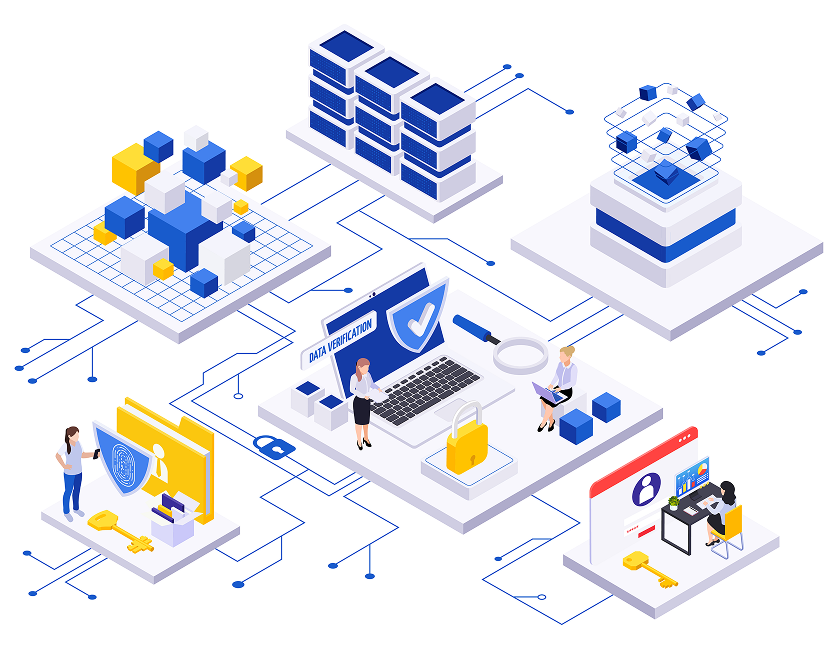
Data processing is the process of collecting, cleaning, and organizing data to transform raw data into valuable information for analysis, reporting, and decision-making. In a business environment, data processing helps standardize and connect data from multiple systems, creating a unified data source for efficient searching and utilization.
In enterprise systems, data processing helps to:
- Quickly query large volumes of data
- Perform accurate searches based on multiple criteria
- Effectively extract information for specific usage needs
- Support timely and accurate operations and decision-making
How many stages are there in data processing?
In enterprise technology systems, data processing is not a single operation but a multi-stage workflow. Each stage plays a distinct role in transforming raw data into valuable information that is ready for search, analysis, and decision-making.
There are six main stages.
1
Data Collection
Data is collected from multiple sources such as data lakes, data warehouses, and related systems. Choosing reliable data sources helps ensure information quality from the very beginning.
2
Data Preparation
Raw data is cleaned, standardized, and organized to prepare it for processing. This stage removes incorrect, missing, or redundant data to improve analytical accuracy.
3
Data Input
Prepared data is loaded into target systems such as CRM platforms or data warehouses. The data is converted into appropriate formats to ensure efficient processing.
4
Data Processing
Data is processed using analytical or machine learning algorithms to extract valuable insights. The processing approach depends on the data source and specific use cases.
5
Data Output
Processing results are presented in clear and visual formats such as charts, reports, or text. This allows non-technical users to effectively understand and utilize the data.
6
Data Storage
Processed data is securely stored for current and future use. Proper storage enables easy access while ensuring data security and regulatory compliance.
The Future of Data Processing
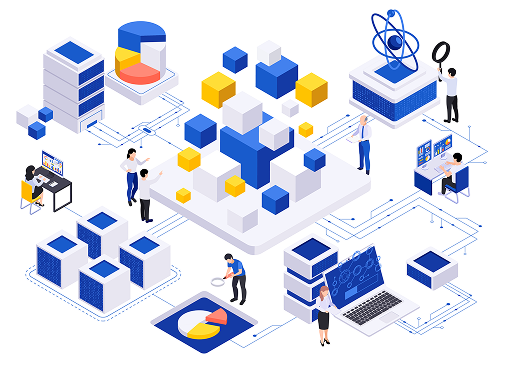
The future of data processing is closely tied to cloud computing, which accelerates processing speed, improves data quality, and optimizes information utilization. As a result, organizations can access larger volumes of data and generate valuable insights to support decision-making.
Cloud computing benefits not only large enterprises but also small businesses thanks to its cost efficiency and flexible scalability. Cloud platforms enable seamless integration, easy technology updates, and scalable growth without heavy infrastructure investments.
From Data Processing to Analytics
Big data is transforming how businesses operate and make decisions. To remain agile and competitive, organizations need a clear, effective data processing strategy aligned with their business goals.
Cloud computing delivers advanced data processing and analytics capabilities, helping optimize costs, accelerate processing speed, and unlock maximum value from data in the digital era.
Common Mistakes in Data Processing
- Collecting data without clear objectives results in large volumes of data but little real business value.
- Data scattered across multiple systems makes aggregation and analysis difficult and inaccurate.
- Poor data quality caused by duplication, missing, or incorrect information leads to misleading analysis results.
- Failing to standardize data from the beginning makes systems hard to scale and increases processing costs later.
- Over-reliance on manual data processing increases the risk of errors and reduces operational efficiency.
- Lack of proper data security and access control increases the risk of data breaches and information loss.
- Poor data lifecycle management leads to storing excessive amounts of data that no longer provide value.
- Analyzing data without linking it to business decisions results in underutilized data insights.
- Insufficient investment in people and tools causes data systems to operate inefficiently and wastes resources.